See the big picture: Malawi
When Given was a child, her family moved to a very remote village in the countryside of Malawi, where her father worked as an extension worker in agriculture. For the first time, she didn’t have easy access to water. The local borehole was saline – meaning the water was salty and unfit for drinking. They would fetch water from the river, but in the dry season, they had to dig shallow wells in the riverbed. At night, animals would drink from the same wells they drew from in the morning. Given started to wonder why the water in some boreholes was salty and in others it wasn’t. “My questions grew from there,” she says, “so I thought maybe I should go study something related to water.” She wanted to understand the bigger picture.
Today Given works at IsraAID Malawi as a WASH project Manager, ensuring that rural communities have access to safe, drinkable water. Given is a hydrogeologist by profession, specializing in overseeing borehole drilling, rehabilitation and conducting geophysical surveys. “A common misconception is that there is plenty of water underground and that you can drill just about anywhere and find clean and safe water, but the reality is much more complex. You can drill and drill and find no water,” she explains.
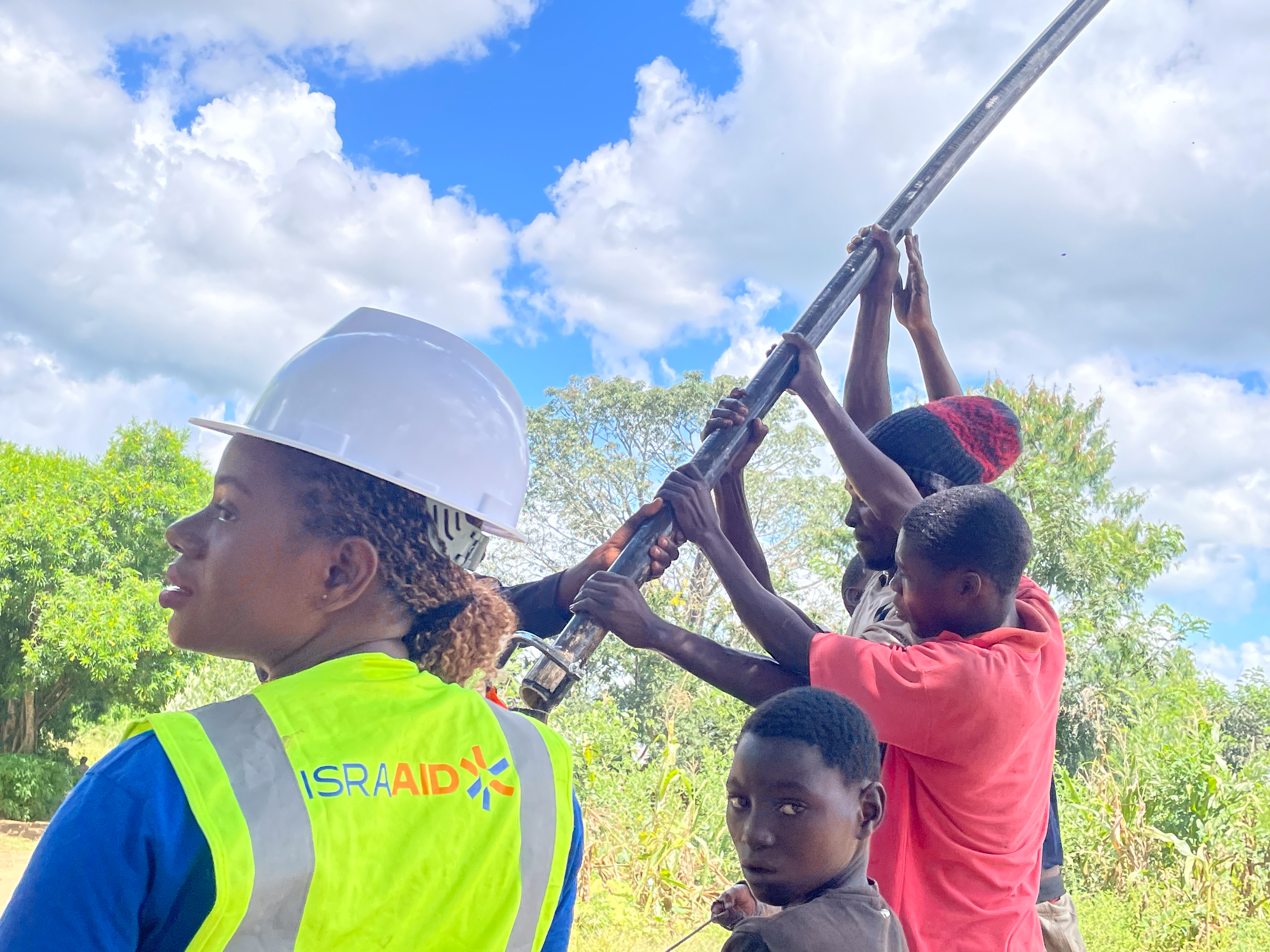
Since 2023, when IsraAID first arrived in Malawi in the wake of Cyclone Freddy, the organization has rehabilitated over 125 boreholes for communities like the one Given lived in as a child. But this process doesn’t just happen overnight. We sat down with Given to hear about all the work behind the scenes to make it happen.
IsraAID works together with the District Water office to identify nonfunctional and partially functional boreholes and then our team heads to the field to conduct an assessment. “We check all the parts and their condition. We take everything apart and pull out the pipes to check for siltation or precipitates,” she explains. “Precipitation” means a buildup of debris and minerals that can clog pipes, while “Siltation” is a buildup of fine sand and clay at the bottom of the borehole that can reduce borehole depth. “There are always reactions happening in the water,” she says. “The different minerals in the groundwater react with each other and form new compounds. Some of these boreholes were drilled as far back as the 1960s. That’s a long time for reactions to happen that can clog the pipes.”
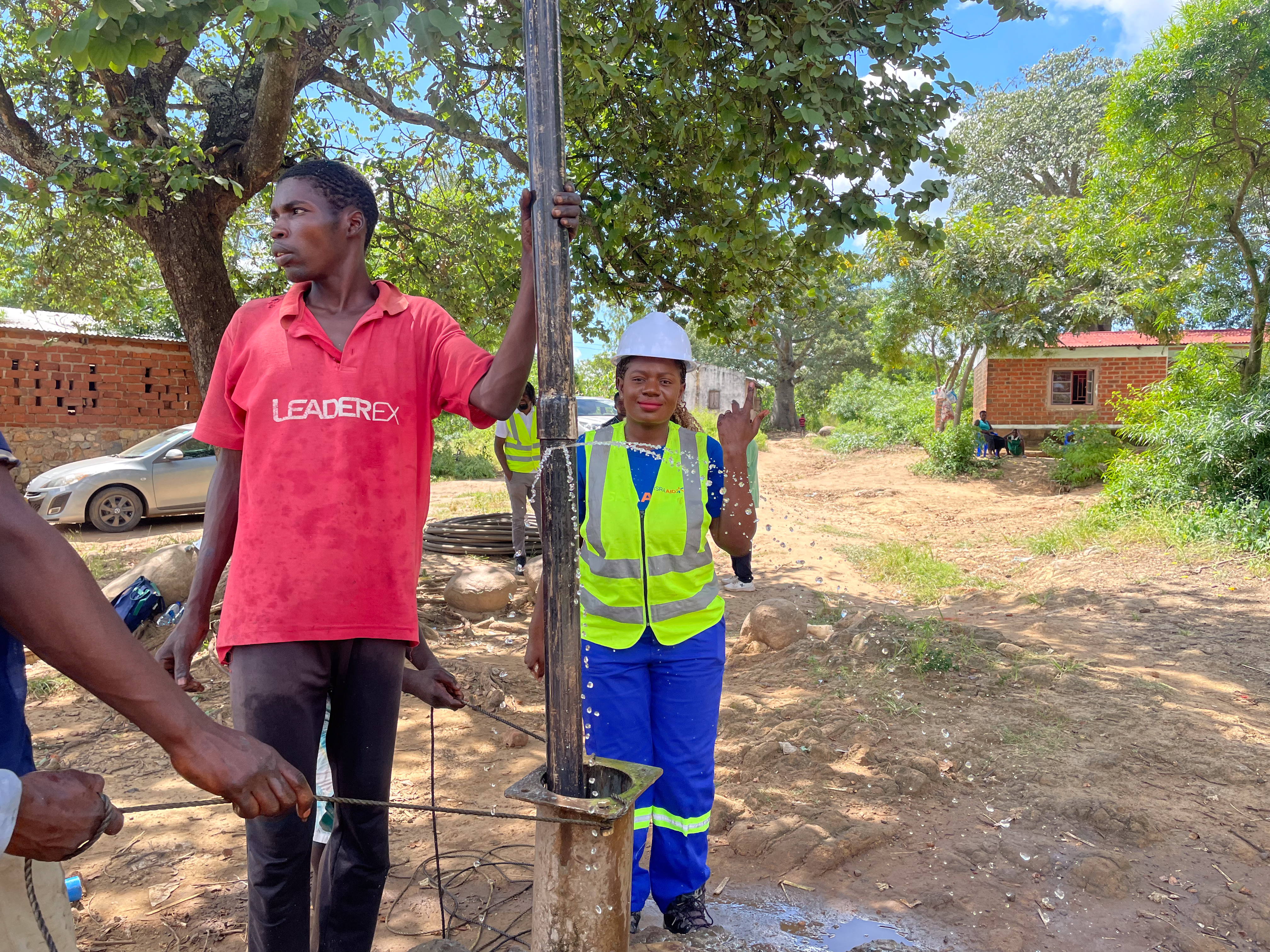
The team checks the depth of the borehole. “Sometimes drillers take shortcuts when drilling, stopping as soon as they hit water to minimize costs, but that is risky. One community had a new borehole drilled in 2019, and by 2020 it ran dry – because there was not enough water and the borehole wasn’t deep enough,” Given says. They also test the yield of the borehole – that means how much water is available and how fast it comes out of the ground. “We call it the ‘Bucket test’. It should take 80 seconds or less to fill up a 20L bucket according to the Government of Malawi standards,” she says. Water samples are collected and analyzed as part of the borehole assessments to check the presence of bacteria and different chemical elements in the water, as well as for salinity. “If the water is too saline you can’t drink it. It can also corrode pipes.”
The borehole rehabilitation process involves four key steps, starting with well development when there is need. This phase focuses on cleaning the interior of the hole by removing accumulated dirt and debris at the bottom. Following the well development process, civil work is installed, including the construction of apron, soak away pit and a rest platform where women can stop and position their bucket before placing it on their head to carry home. The borehole is disinfected through chlorination to ensure that all bacteria are killed, and water is safe for drinking by the community. After seven days of curing, the borehole is finally reinstalled using the new pump parts and water supply to the communities resumes.
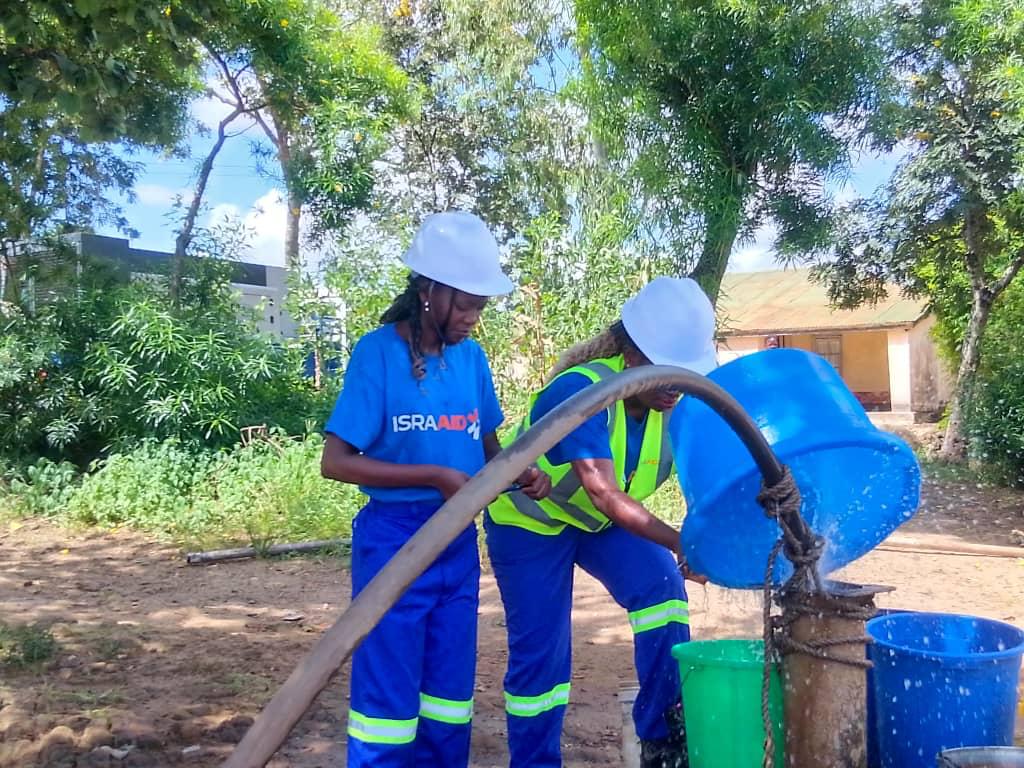
The team will clean and check all the different parts and pipes of the borehole and clear out any debris that might have built up in the pipes. They’ll replace any parts that are broken, and chlorinate the borehole, killing any bacteria in the water. Water samples are also taken and tested to make sure the water is safe to drink. They’ll check for bacteria and different chemical elements in the water, as well as for salinity. “If the water is too saline you can’t drink it. It can also corrode pipes.”
After a borehole is repaired, a raised platform is built from concrete, and channels to redirect any extra water into a soak-away pit. This way, extra water seeps back into the ground and doesn’t create breeding grounds for mosquitos. “We also build a rest platform,” Given adds. “It’s a place where women can stop and position their bucket before placing it on their head to carry home.”
The work doesn’t stop after a borehole is up and running. “You want to make sure that a borehole is sustainably used and maintained. So, we run training for the community. Social and behavioral change is also a big part of it. When you talk about water quality, it also means the mindset of the people. For example, you don’t want the borehole near a source of contamination, like a toilet.”
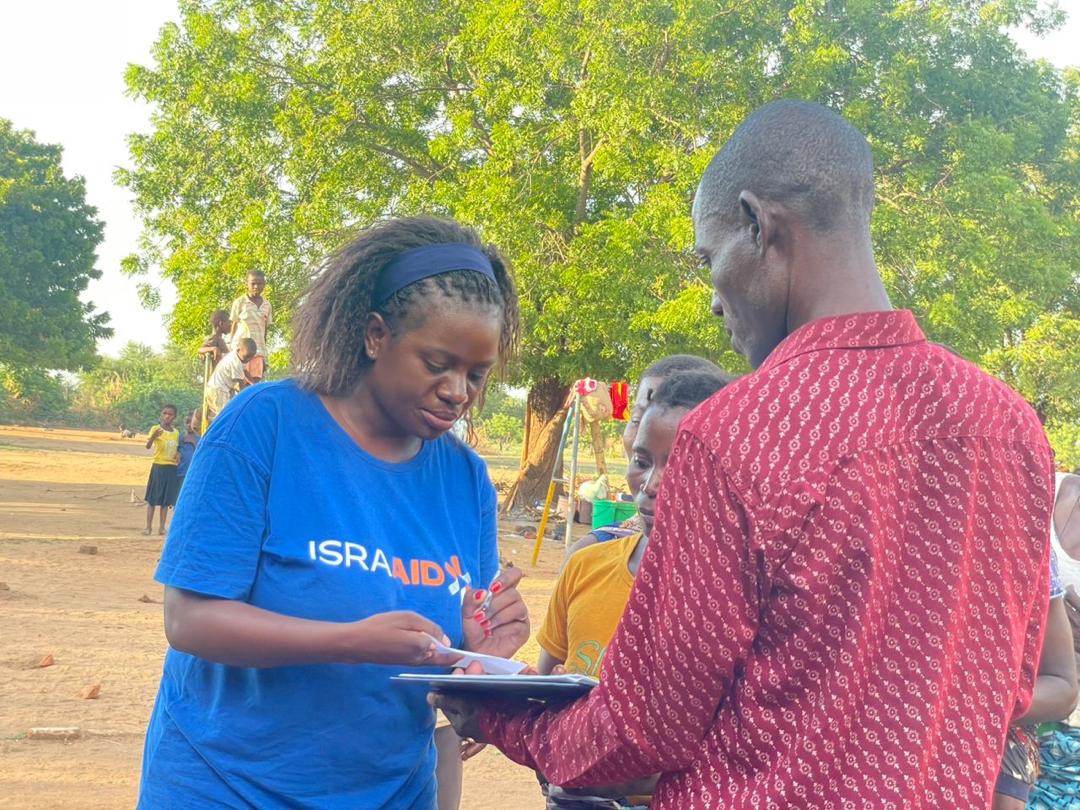
The work doesn’t stop after a borehole is up and running. “You want to make sure that a borehole is sustainably used and maintained. So, we run Water User Committees refresher training for the community. Social and behavioral change plays a big role, too. When we talk about water quality, it is not just about what is in the borehole, but also about what is around it. For example, building a toilet too close to a borehole or allowing livestock to roam near the water point can easily contaminate the water supply. These practices pose serious risks to water safety and public health. It’s not only about the infrastructure, but it’s also about awareness and long-term habits. “Despite all the work that goes into each borehole, Given says her passion for her job is only growing. “After you complete a successful borehole, the joy in the community is overwhelming, people are so happy. You can hardly imagine. I know that when there are water challenges in the community, it’s mostly women who bear the burden of walking long distances to fetch it. I understand those challenges. That’s why I’m in the field every day,” she says.
Behind every successful story of impact are many small steps, carried out by people like Given. Make sure you’re always seeing the big picture. Keep up to date by signing up for the IsraAID Newsletter today.